Maca Root Explained: From Andean Staple to Daily Supplement
Maca has fed people in the high Andes for thousands of years. Today it's one of the most popular vitality botanicals. Here's the story and the science.
A root that grows where little else does
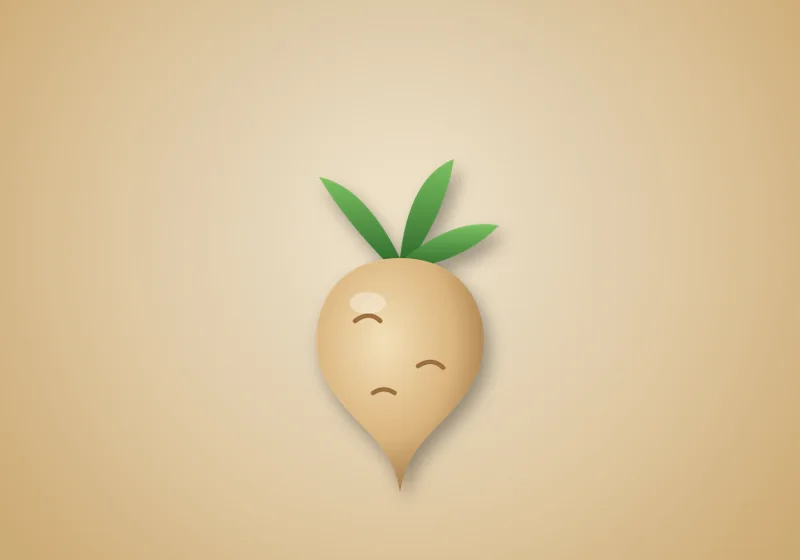
Maca (Lepidium meyenii) is a member of the mustard and broccoli family that grows at 13,000 feet and above in the Peruvian Andes. It's one of the few crops that can handle the freezing nights, intense sun and thin air up there. The round root looks a bit like a radish and comes in cream, red and black varieties.
For Andean communities, maca was first and foremost a food. It was dried, stored for years and cooked into porridges and drinks. Over time it earned a traditional reputation for supporting stamina and vitality.
What studies say
Maca has drawn steady interest from researchers. Several reviews are indexed by the NIH's National Library of Medicine:
- A 2010 systematic review in BMC Complementary and Alternative Medicine looked at randomized trials of maca and sexual function. It found limited evidence and called for larger, more rigorous studies.
- A 2024 systematic review and meta-analysis in Nutrients examined maca and physical performance across animal and human studies.
The honest summary: maca is interesting and widely used, and the human research is promising but still developing.
How to use maca
Maca is usually taken daily, as a powder, capsule or, increasingly, a gummy. It's considered a food, and most people tolerate it well. As always, check with your doctor before starting a new supplement, especially if you take medication or have a thyroid condition.
Maca in a men's formula
Maca often appears with Tongkat Ali and ashwagandha, since the three cover vitality, energy and stress balance from different angles. Learn more on our energy & stamina page.
This article is for education and isn't medical advice. These statements have not been evaluated by the FDA. Talk to your doctor before starting a supplement.