Beet Root, L-Arginine and Nitric Oxide: A Plain-English Guide
Nitric oxide shows up on a lot of supplement labels. Here's what it is, how beet root and L-Arginine relate to it, and what to watch out for.
What is nitric oxide?
Nitric oxide (NO) is a small gas molecule your body makes naturally. One of its best-known jobs is signaling the smooth muscle in blood-vessel walls to relax, which is why it comes up so often in conversations about circulation and exercise.
Two routes to nitric oxide
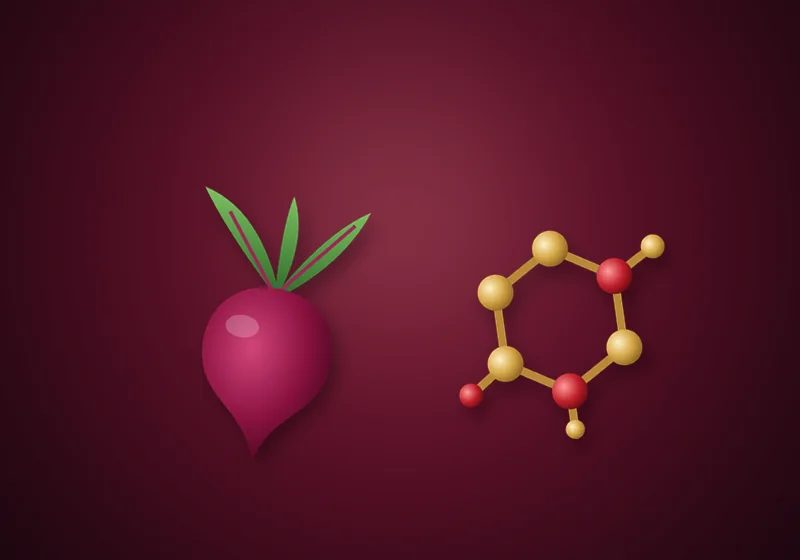
L-Arginine is an amino acid found in protein foods like meat, fish, dairy and nuts. Enzymes in the body convert arginine into nitric oxide. Beet root takes a different route. Beets are rich in dietary nitrates, which the body converts to nitrite and then to nitric oxide.
What NIH sources say
The NIH Office of Dietary Supplements covers both arginine and beetroot in its fact sheet on supplements for exercise and athletic performance, including the proposed mechanisms, research findings and safety. MedlinePlus, from the National Library of Medicine, has a detailed L-Arginine page with effectiveness ratings for many uses.
Safety notes
MedlinePlus notes that L-Arginine may interact with blood-pressure medications and certain other drugs, and it advises against use after a recent heart attack. If you take blood-pressure medication, nitrates or blood thinners, talk to your doctor before using any product that contains L-Arginine. Beets can also turn urine pink, which is harmless but surprises people.
Food first
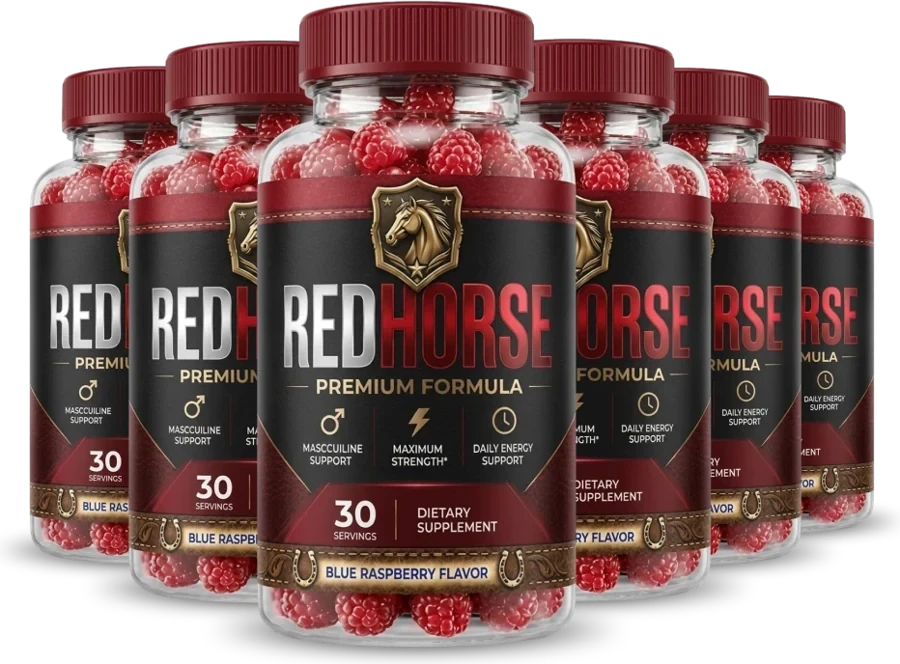
Leafy greens, beets and protein foods supply these nutrients naturally. A supplement adds to a good diet, never replaces it. See how both ingredients fit in Red Horse on the active lifestyle support page.
This article is for education and isn't medical advice. These statements have not been evaluated by the FDA. Talk to your doctor before starting a supplement.